
About a month ago, I shared some social media templates both inspired by and missing from the epic collection amassed at Matt Miller’s Ditch That Textbook Website. If you missed that post, there’s a dating profile template, a Nextdoor template, and an Instagram profile page, all free and fully editable to use with your students! As I was looking through my collection of templates I’ve used to simulate group conversation…I noticed a void that existed.
I think finding a way to harness the energy of the group chat has value. What makes them pedagogically interesting is the mess — the interruptions, the reactions, the person who goes quiet for ten minutes and then drops a paragraph that reframes everything. That’s the learning. The chaos is the point.
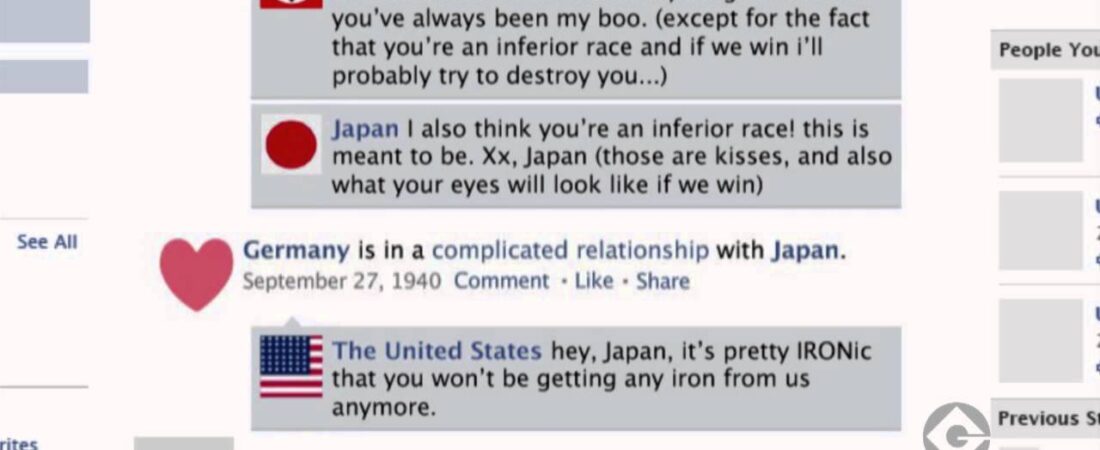
This rabbit hole reminded me of a video that was a “real-time” conversation on “Facebook” between the major players of World War 2:
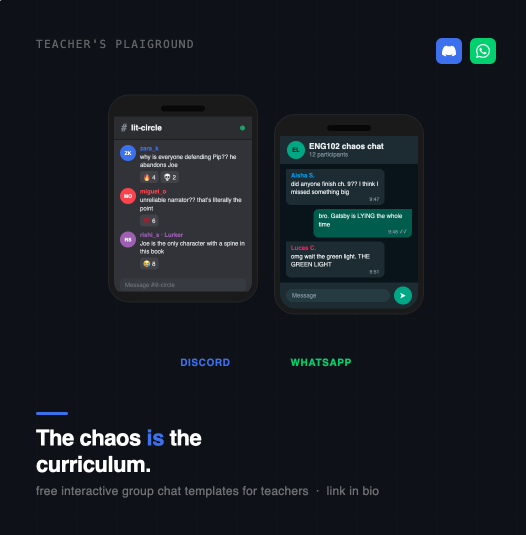
While I’ve seen some people share templates that look like Facebook posts, I have never really seen anything that captures the wild and crazy energy of a group chat. So here are two templates built to actually hold that chaotic energy. A real, interactive mock-up that you can throw in front of students and say: “You live here now. Argue.”
The Discord Server: Democracy Wearing a Gaming Hat
Discord has a reputation problem in schools. Admins hear it and immediately picture a 14-year-old screaming about Fortnite at 2 am. Fair. But structurally? A Discord server is one of the best discussion formats we have. Multiple threads, emoji reactions as low-stakes agreement signals, and the ability to reply specifically to one person without bulldozing the whole conversation. That’s just a Socratic seminar with better UX.
There are two versions of this activity you can share with students:
The Canva Template
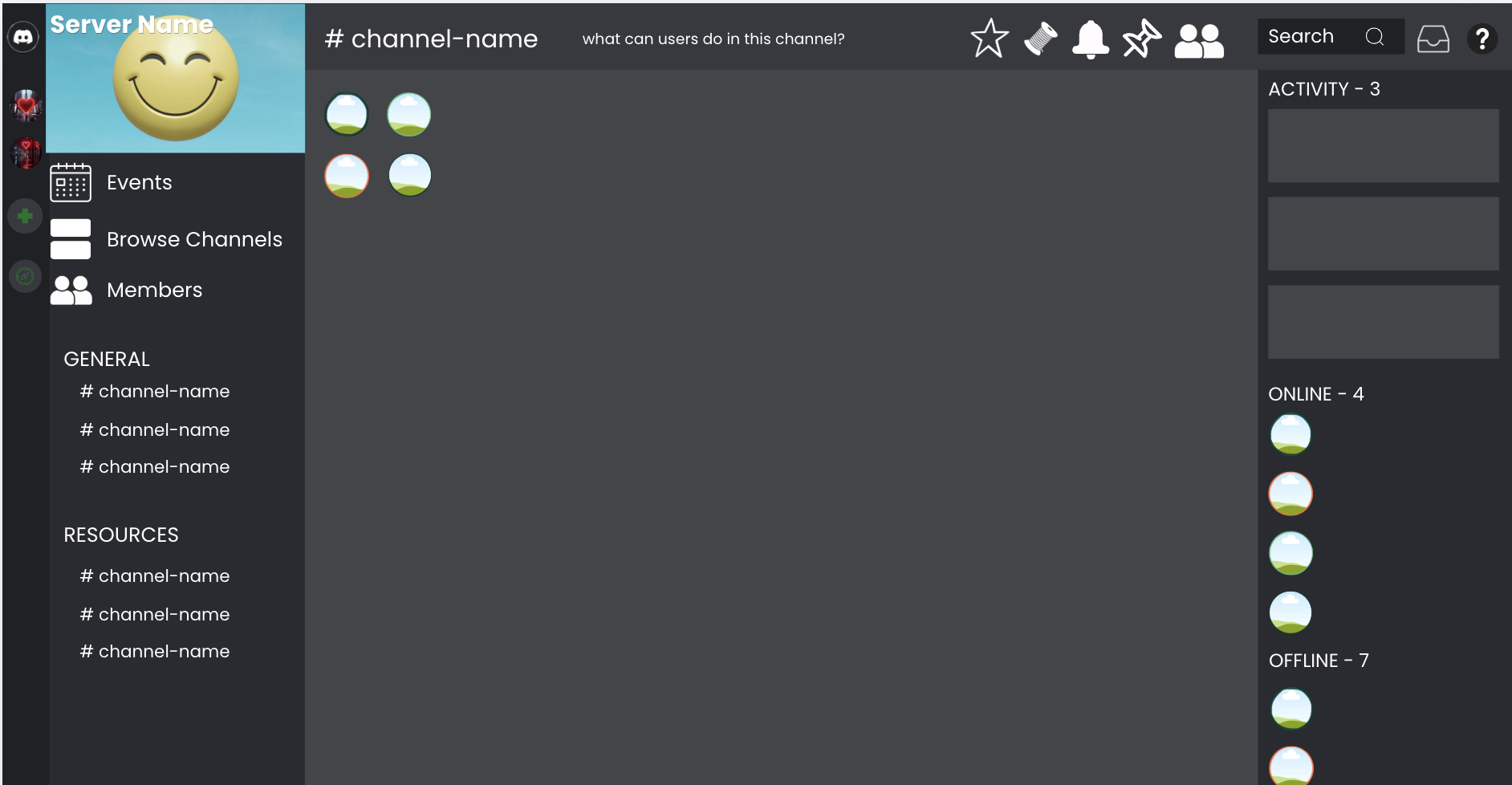
This template is fully editable. Have students customize not only their server and channel, but also the members. Discussing World War II? Have one for the Allied Powers. Working with equations? It looks like all of the major PEMDAS players get their own identity.
The students can then simulate conversations to give us a peek under the hood. What do they think is happening in the “smoky back rooms” of history or literature?
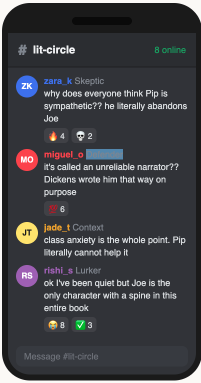
The second version allows you to create a “server” that you can moderate and supervise, while giving students discussion roles. It was vibe-coded with Claude. The version puts students in a server called whatever you want, I’m using a lit circle channel for illustration here, and assigns them roles before they show up. Not “you’re in group B.” Actual rhetorical roles: the skeptic, the defender, the one who always brings in context that nobody asked for. You know that student. They finally have a job title.
The pedagogy no one puts in the lesson plan: The reaction economy. When students can drop a 🔥 or a 💯 without interrupting the thread, you get a real-time map of class consensus. Who built on whom? Where the argument collapsed. The chat log is the formative assessment; you don’t need an exit ticket, you need a scroll-up!
Best for: literary debate, source analysis, historical roleplay, any text where you want voices to collide without one of them dominating.
Sharing this version is a little bit trickier. You can see it in action on the App Arcade page, but you can’t personalize it. To be able to use this as your own interactive mock-server:
The WhatsApp Thread: The Hallway Conversation That Understood the Assignment
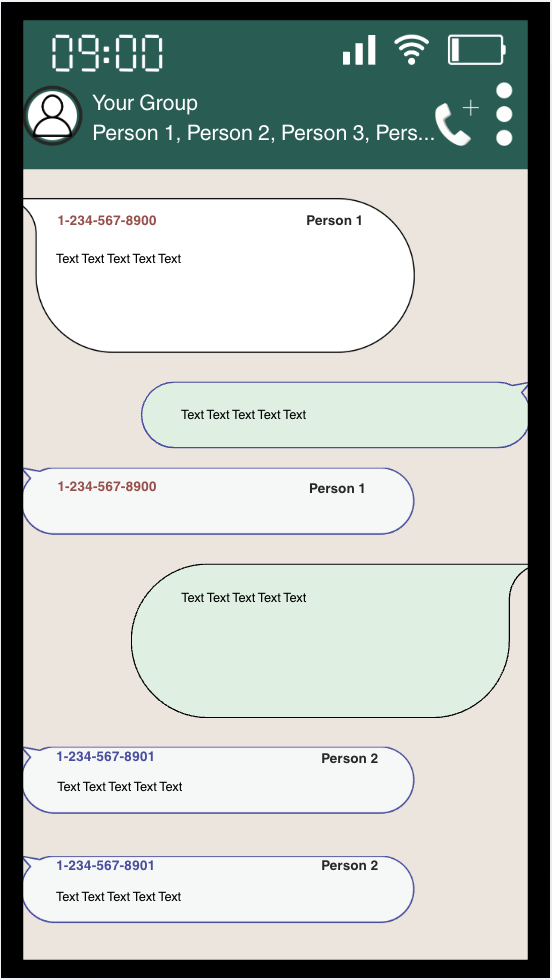
If Discord is the public square, WhatsApp is the hallway outside the classroom where the real conversation is already happening. Shorter messages. Tighter turns. Read receipts are doing the emotional labor. The three dots that mean someone is about to say something that is either very smart or very wrong.
This template works best when the constraint is the lesson. Short messages force students to distill; you can’t write a five-sentence hedge in a WhatsApp bubble, you have to pick a lane. The informal register lowers the fear of being wrong (nobody thinks they’re being graded on a text bubble), which means you get more actual thinking and less performative thesis-stating.
Want to try it for creative writing? Give students characters and ask them to sustain a voice across a fifteen-message thread. Turns out writing “in character” in a chat format is harder than it sounds, and students figure that out themselves without you saying a single word about voice or register. #SituatedLearningJustHappened
Best for: character voice work, informal Socratic discussion, peer feedback that doesn’t feel like peer feedback, any primary-source simulation where “what would they text?” is a better question than “what would they write in an essay?”
Sharing the interactive version is a little bit trickier. You can see it in action on the App Arcade page, but you can’t personalize it. To be able to use this as your own interactive mock-server:
Final Thoughts
Look, I’m not going to pretend I have this all figured out. I’ve run activities like this and had them go completely sideways: the chat goes quiet, someone types something unhinged that has nothing to do with the text, and suddenly you’re doing classroom management in a Discord server at 2 pm on a Thursday. That’s fine. That’s actually fine.
The point was never a perfectly orchestrated discussion. The point is that the format makes students do something — pick a lane, defend it in twelve words or fewer, react to someone else’s take before they’ve had time to overthink it. The constraints are the instruction. The mess is evidence of thinking.
Both templates are available right now. They work in a browser, they need no login, and they cost you nothing except the willingness to let a lesson look a little chaotic for fifteen minutes.
If you use them and something genuinely unhinged happens in the chat log, and I mean unhinged in a good way, the kind where a student says something that reframes the whole discussion and you have to stop and just sit with it for a second, please tell me about it. That’s the whole reason I make these things!