
I’ve made it no secret that I’m a huge Ditch That Textbook fanboy. Heck, I’m wearing my Ditch… hoodie today!

One of my favorite tools that I’ve ever taken from Matt’s massive collection of templates is the Mock Social Media templates! During ISTE last summer, I was joking around with the illustrious Lunch Lady (aka Kat Crawford) about some templates that Matt was missing, after she made an epic Myspace throwback (those were the days….). I joked about the lack of a Nextdoor-themed template, made it, and then forgot about it. Here we come full circle today, where I’m going to share three templates that I hope get added to the Ditch That Textbook Collection =-). I’m also going to talk about the pedagogy behind some of them, and their benefits!
Create a Dating Profile on “Humble!”
So, in teaching geography to 7th graders last year, I had to come at them sideways to get them to care about natural disasters. So I thought, major events—be they economic collapses, hurricanes, or world wars—do not happen in a vacuum; they require a specific “match” of circumstances to ignite. Dating Profiles for Disasters posits that every disaster has a “type.” By framing a catastrophe as a seeker of a partner, students are forced to identify the preconditions and catalysts that allow that event to thrive. This strategy strips away the “inevitability” of history and science, revealing that disasters are simply the result of a “perfect date” between volatile variables.
An activity like this targets Variable Analysis. Students must distinguish between “Interests” (the conducive environments that attract the disaster) and “Pet Peeves” (the deterrents or preventative measures that keep it away). It turns a “list of causes” into a study of “compatibility,” making the relationship between cause and effect deeply intuitive.
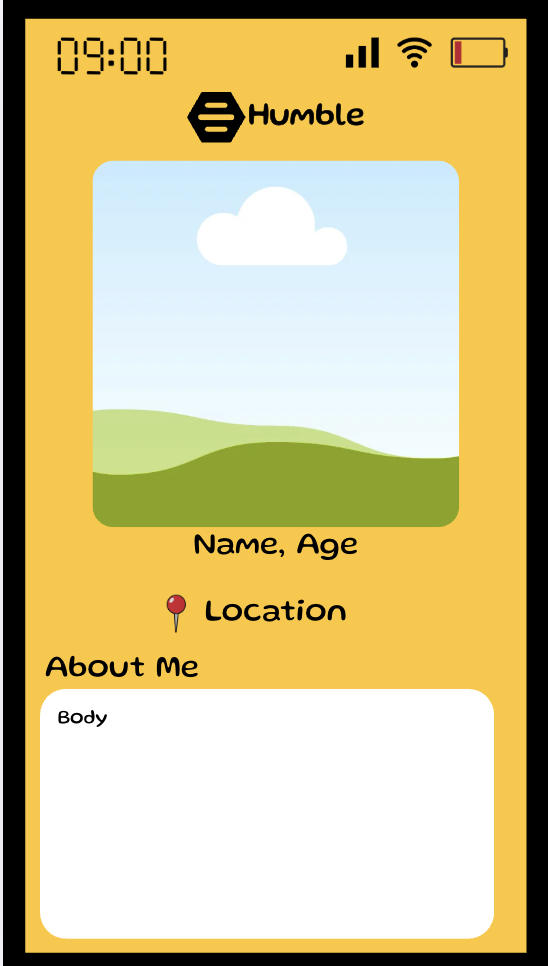
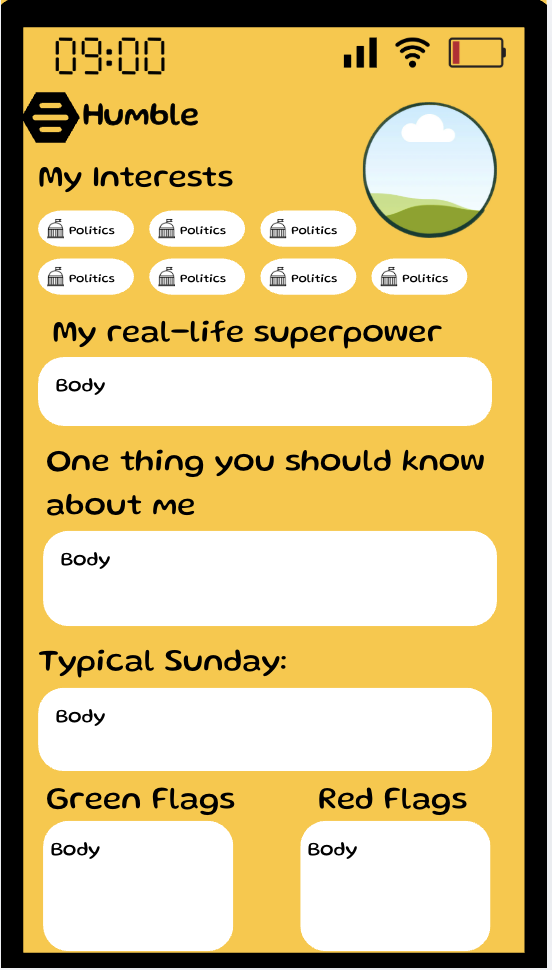
So, I don’t know anything about dating websites, and after many blocked websites on the district internet, I learned that Bumble is one of them. I found a rough version of their website’s dating profiles, and color/font matched in this easy-to-steal Canva template!
Here are some simple ways to incorporate “dating profile” activities in your content area!
Math: A profile for “The Parabola”—Interests: Symmetry and the Vertex; Pet Peeves: Non-functions.
Science: A profile for “A Hurricane”—Interests: Warm ocean water and Low pressure; Pet Peeves: Cold land masses.
ELA: A profile for “The Antagonist”—what kind of “World” do they need to thrive?
Social Sciences: A profile for “The Great Depression”—Interests: Overproduction and Stock speculation; Pet Peeves: Strong federal regulation.
Share your photos on “Finstagram!”
I have used the Instagram stories template a thousand times in my classes, because pre-TikTok, it really met students where they are at. Sometimes, you may want to fancy up your photo collages and make it match an Instagram profile page! Or, you could analyze a character/historical figure by creating a profile for them!
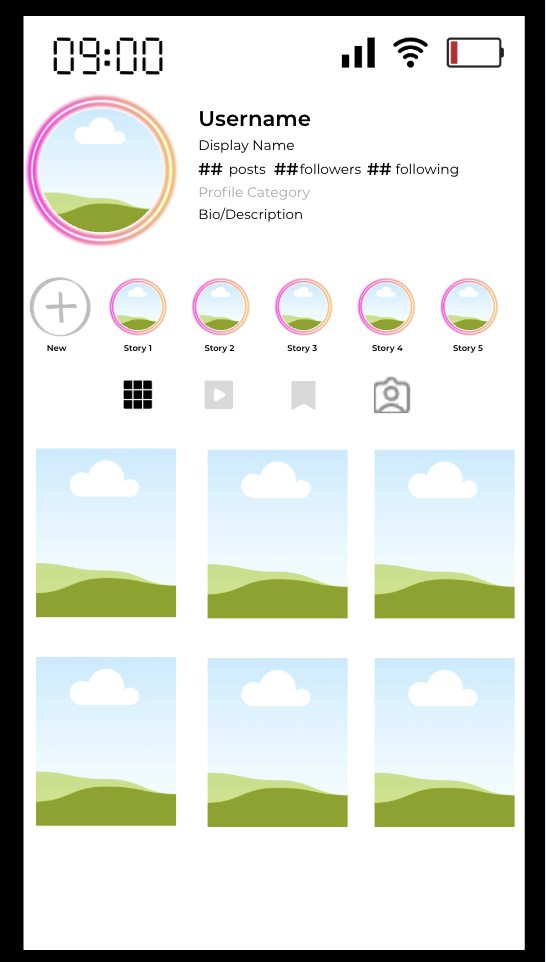
We live in a visual-first culture where “vibe” and “aesthetic” are shorthand for complex identities. The finstagram uses visual curation to represent the zeitgeist of a topic. This strategy posits that a student hasn’t truly understood a concept until they can “brand” it. By selecting nine images and captions that represent a theme, students are performing a “triage of significance.” They are deciding what is “post-worthy” and what is “behind-the-scenes,” forcing them to prioritize the most iconic and influential aspects of a unit.
These activities target symbolic representation and curation. Students must move beyond literal descriptions to find visual metaphors. It’s not just about showing a picture of a factory for the Industrial Revolution; it’s about choosing a photo of a “caged bird” to represent the labor force. It builds a bridge between historical/scientific facts and contemporary visual literacy.
Here are some quick start prompts to use “finstagram” with your content today!
Math: A profile for “Geometry”—posts featuring architectural symmetry, fractal patterns in nature, and #NoFilter straight lines.
Science: A profile for “Gold”—posts about being “Non-Reactive,” #NobleMetal vibes, and historical treasure.
ELA: A profile for Jay Gatsby—the green light, a yellow car, and a “Throwback Thursday” of him in uniform.
Social Sciences: A profile for “Ancient Egypt”—#PyramidScheme (architecture) and #MummyMakeover (ritual).
See who else heard that noise on “Neighboor!”
I do not know if I’ve ever learned anything new on Nextdoor. I swear, the number of “that noise” or “lost dog” posts is depressing. I really think those are the only 2 usages I’ve seen (aside from random fights over yard signs during election season). However, I started wondering if creating posts on Nextdoor, as the platform was intended, would teach students something about perspective.
History and Science are usually taught from the “top-down” (The Palace or the Periodic Table). The Neighboor post shifts to the hyper-local through the perspective of the “resident.” By asking a student to post a “safety alert” or a “general grievance” about a historical era, a biological system, or a literary setting, we force them to inhabit the daily anxieties of that world. It posits that we understand a system best by looking at the “unspoken rules” and the friction between neighbors.
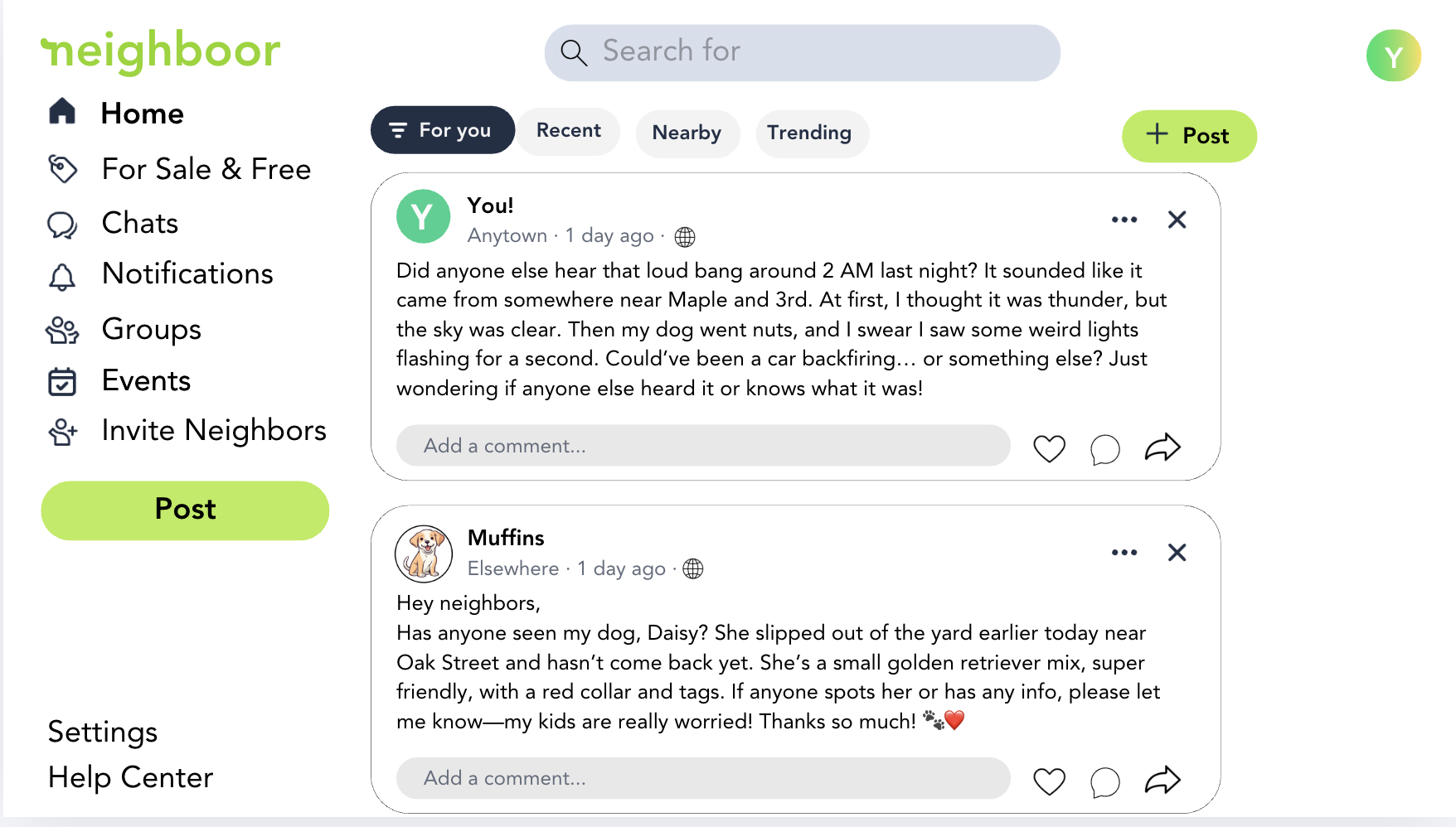
This activity targets contextual surveillance. Students must identify the “disturbances” in a system. To write a convincing Neighboor post, they have to recognize what is “normal” for that environment and what constitutes a “threat” (e.g., an invasive species, a new tax, or a shifting tectonic plate). This requires them to weigh the “stability” of a system against the “interlopers” trying to disrupt it.
Want to use Neighboor in an upcoming lesson? Here are some suggestions on where to start!
Math: A post in the “Equation Neighborhood”
“Found: Missing Variable ($x$). Last seen hanging out near the Parentheses. Seems lost and currently has no value. Does he belong to anyone? I’m worried he’s going to unbalance the whole block.”
“Found: Missing Variable ($x$). Last seen hanging out near the Parentheses. Seems lost and currently has no value. Does he belong to anyone? I’m worried he’s going to unbalance the whole block.”
Science: A safety alert in “The Ecosystem”
“URGENT: Suspicious activity near the pond. I saw a group of Nitrogen molecules moving way too fast. I think they’re planning an Algal Bloom. Keep your fish inside, people. The neighborhood is turning green (and not in a good way).”
“URGENT: Suspicious activity near the pond. I saw a group of Nitrogen molecules moving way too fast. I think they’re planning an Algal Bloom. Keep your fish inside, people. The neighborhood is turning green (and not in a good way).”
ELA: A grievance in “The West Egg District” (The Great Gatsby)
“Is anyone else tired of the loud music coming from the big yellow house every Saturday? Also, a silver car almost hit my dog. Does anyone know who the owner is? He looks like he’s hiding something. #KeepWestEggQuiet“
“Is anyone else tired of the loud music coming from the big yellow house every Saturday? Also, a silver car almost hit my dog. Does anyone know who the owner is? He looks like he’s hiding something. #KeepWestEggQuiet“
Social Sciences: A “Looking for Recommendation” in “The 14th Century”
“Does anyone have a lead on a good plague doctor? The one on 4th Street just wears a bird mask and pokes me with a stick. Also, the Silk Road has been really busy lately—lots of new travelers bringing ‘presents.’ 0/10 would not recommend the new neighbors.”
“Does anyone have a lead on a good plague doctor? The one on 4th Street just wears a bird mask and pokes me with a stick. Also, the Silk Road has been really busy lately—lots of new travelers bringing ‘presents.’ 0/10 would not recommend the new neighbors.”
Supporting Digital Citizenship Through Mock Social Media
Using these templates also offers a chance to teach responsible online behavior. Discuss topics like:
Respectful communication
Fact-checking and avoiding misinformation
Privacy and sharing personal information
Recognizing bias and stereotypes
These lessons prepare students for real-world digital interactions!
See something that’s missing from either the DTT or my collection, let me know! I’m playing with more ways to get weird on a daily basis!!